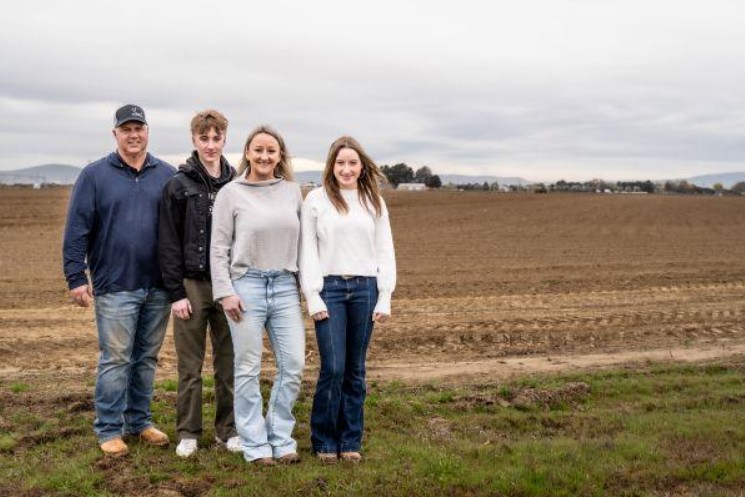
Generational farms are rooted in tradition—time-honored practices cultivated and passed down through the years. For the farmers who work these lands, farming isn’t simply a job; it’s a way of life.
To preserve that way of life, generational farmers prioritize sustainability. Adopting sustainable farming practices not only benefits the ag industry, but it also benefits our future farmers—the kids who grow up on the land and will one day till it themselves.
There’s little doubt that generational farms are an important part of America’s past. However, they’re also the hallmark of our future.
Environmental Responsibility
Generational farmers are good stewards of their land. It’s where they work, live, and raise their children, who will one day take over the family farm. To protect the land and safeguard it for their families, many generational farmers are embracing sustainable farming practices.
These practices take many shapes and may look a little different for each farmer. However, there are a few common practices, and the central goals of sustainable agriculture remain the same: increase production to meet current human food needs, while also protecting the environment and expanding natural resources for future generations.
For example, some farmers rotate their crops to promote soil health and improve crop yield. Certain crops, such as potatoes, require an abundance of nutrients from the soil. Rotating crops with other crops of varying nutrient needs helps preserve the health of the soil and prevent soil erosion.
Planting cover crops is another good way to replenish soil nutrients. Potato farmers, for instance, may plant legume crops, such as clovers and peas, to introduce nitrogen back into the soil. Cover crops may also help ward off pests and disease, reducing the need for pesticides.
Sustainable farming practices have many benefits, including enhancing crop yield, increasing profitability, and creating a viable path forward for our future farmers.
Valuable Life Skills
For generational farmers, planting and harvesting the crop is a true family affair. Children are often introduced to farm life at an early age, giving them the opportunity to gain practical, hands-on learning experience and develop valuable life skills.
For example, learning to adjust to changing weather and crop conditions fosters resilience and adaptability, while sharing the responsibility of chores demonstrates the importance of teamwork. The physical demands of farm chores help to build discipline and a strong work ethic as well.
Though some tasks may be challenging, children get to witness the fruits of their labor during harvest season. This helps them understand the value of hard work and patience and lets them take pride in what they’ve accomplished.
Of course, safety should always take priority on the farm, with children only being assigned age-appropriate tasks. The Cultivate Safety website provides Agricultural Youth Work Guidelines, which establish a framework for assessing a child’s ability to perform specific farm-related duties. You can also browse their Child Agricultural Safety Brochure to learn more about safety strategies and injury prevention resources.
Healthy Habits
It’s been said that there’s nothing like the great outdoors, and farm life is no exception. Growing up on a generational farm has many health benefits, both physically and emotionally.
For example, farm life can literally help kids breathe easier. Research shows that living on a farm at a young age may pr otect against eczema and allergic rhinitis, more commonly known as hay fever. The Wisconsin farm children who were studied had a lower incidence of early-life severe respiratory illness as well. Results demonstrate that farming environments are associated with reduced risk of children developing common allergic conditions and infections.
In addition to improved immunity, kids growing up on a farm benefit from an active lifestyle that may reduce their chance of childhood obesity. They also adopt healthier eating habits, eating more fruits and veggies packed with important nutrients.
According to one research study, kids are more likely to eat their fruits and veggies if the produce is homegrown. In fact, the study showed that children who ate homegrown produce ate a full serving more on average than those who did not.
In addition to improved physical health, many kids also benefit from the enhanced emotional wellness that comes from spending time outdoors. For instance, spending time in nature can reduce stress and anxiety, make kids happier, improve focus, and enhance creativity.
Playing outside is also a great way to socialize and create lasting memories, deepening bonds and strengthening family ties. Whether it’s through improved physical well-being or enhanced social skills, farm life contributes to children’s development in a holistic way, helping them thrive in all aspects of life.
Community Connection
The children of generational farmers often feel a strong connection to their local communities. For instance, many generational farmers take part in their local farmers’ markets.
According to the Economic Research Service, small family farms sold over $2 billion worth of food commodities directly to consumers in 2023 through outlets such as farmers’ markets, farm stands, and community-supported agriculture. Children who take part in such activities get to see firsthand how the food product grown on their family’s land is directly benefiting their neighbors and community members.
Generational farmers have a strong connection to their land, their families, and their communities. They strive to produce a quality food product that’s fresh, nutritious, and tastes great.
Interested in learning more about generational farms and how you can support your local farmers? The Washington State Potato Commission is a good place to start. The site features information on generational farming, food and safety resources, tips for how to pick out the best potatoes and properly store them, and fun and delicious recipes to make with your own kids.
Supporting generational farming is truly a win-win. Join the family tradition and enjoy a quality food product while creating a sustainable future for you and your children.