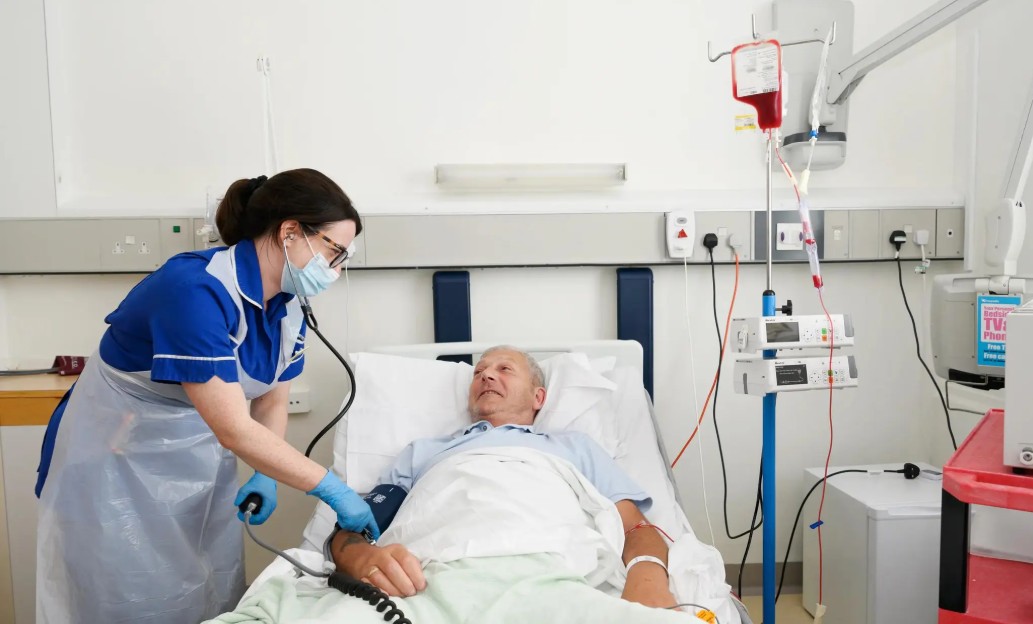
Completing lymphoma treatment is often described as the end of a difficult journey, but for many patients, recovery becomes an equally important phase of care. Modern lymphoma therapies — including stem cell transplantation, CAR-T cell therapy, targeted immunotherapy, and advanced chemotherapy protocols — can significantly improve outcomes, yet they also place major demands on the immune system, bone marrow, and overall physical health.
Today, recovery is no longer viewed as simply waiting for the body to heal naturally. Instead, specialists increasingly focus on structured survivorship programs that support immune restoration, monitor for recurrence, and help patients return to daily life safely and confidently.
At Liv Hospital, comprehensive survivorship planning has become a key part of advanced hematology care. Through specialized Stem Cell Recovery and Follow-up programs, patients receive long-term monitoring, rehabilitation support, and personalized wellness strategies designed to improve both medical outcomes and quality of life.
Why Recovery After Lymphoma Treatment Requires Specialized Care
Lymphoma treatments often affect more than cancer cells alone. Many therapies intentionally suppress or reset parts of the immune and hematopoietic systems, which means recovery can continue for months or even years after active treatment ends.
The recovery process may involve rebuilding:
- Bone marrow activity
- White blood cell production
- Immune system resilience
- Physical strength and endurance
- Cognitive function
- Emotional well-being
The intensity and duration of recovery often depend on factors such as:
- Type of lymphoma
- Stage of disease
- Treatment method used
- Stem cell transplantation involvement
- Overall patient health
Each patient experiences recovery differently, making individualized follow-up plans increasingly important.
Understanding the Phases of Stem Cell Recovery
Recovery after stem cell-supported lymphoma treatment generally progresses through several stages.
Early Recovery Phase
The first few months after treatment are focused on stabilization and close monitoring.
Patients may experience:
- Severe fatigue
- Low blood counts
- Increased infection risk
- Weakness and reduced stamina
- Appetite changes
During this phase, physicians carefully monitor blood cell production and organ function while helping the body begin rebuilding healthy marrow activity.
Immune Reconstitution Phase
As recovery continues, the immune system slowly regenerates new lymphocytes and protective immune responses.
This stage is especially critical because patients may remain vulnerable to infections despite feeling physically improved.
Supportive care often includes:
- Nutritional guidance
- Infection prevention strategies
- Vaccination planning
- Monitoring inflammatory markers
- Bone marrow evaluations when necessary
Long-Term Surveillance Phase
Once remission is achieved, long-term follow-up becomes the primary focus.
This stage centers on:
- Monitoring for disease recurrence
- Managing delayed treatment effects
- Supporting long-term wellness
- Evaluating cardiovascular and endocrine health
- Assessing quality of life improvements
Survivorship medicine has become a rapidly expanding field within modern oncology due to the growing number of long-term lymphoma survivors worldwide.
Immune System Recovery After Stem Cell Therapy
One of the most important aspects of lymphoma recovery is restoring immune function safely.
Stem cell therapies and intensive chemotherapy frequently reduce immune defenses dramatically, leaving patients susceptible to bacterial, viral, and fungal infections.
Modern recovery programs often include:
Vaccination Programs
Certain therapies may erase portions of prior immune memory, requiring carefully timed revaccination schedules.
Nutritional Rehabilitation
Anti-inflammatory and immune-supportive nutrition plans may help support cellular repair and metabolic recovery.
Infection Monitoring
Patients are educated to recognize early warning signs such as:
- Fever
- Persistent cough
- Unusual fatigue
- Skin changes
- Swollen lymph nodes
Early intervention plays a major role in preventing complications during recovery.
Managing Long-Term Side Effects of Lymphoma Treatment
As survival rates improve, greater attention is being placed on managing the long-term effects of intensive lymphoma therapies.
Some survivors may experience delayed complications involving:
Cognitive Function
“Chemo brain” can affect memory, concentration, and mental clarity for months after treatment.
Nerve Damage
Peripheral neuropathy may cause numbness, tingling, or discomfort in the hands and feet.
Bone and Joint Health
Long-term steroid use and intensive therapies can impact bone density and muscle strength.
Cardiovascular Health
Certain chemotherapy agents and chest radiation may increase future cardiac risks, requiring ongoing monitoring.
Hormonal and Endocrine Changes
Thyroid and adrenal function may also be affected depending on treatment location and intensity.
Comprehensive recovery plans increasingly involve multidisciplinary teams that include:
- Hematologists
- Nutrition specialists
- Neurologists
- Physical therapists
- Mental health professionals
- Rehabilitation experts
Emotional Recovery Is an Important Part of Survivorship
Lymphoma recovery extends beyond physical healing.
Many survivors experience emotional challenges after treatment, including:
- Fear of recurrence
- Anxiety surrounding follow-up scans
- Depression
- Difficulty returning to normal routines
- Stress related to lifestyle adjustments
Mental wellness support has become an increasingly recognized component of survivorship care.
Programs may include:
- Counseling services
- Support groups
- Mindfulness-based therapies
- Stress reduction strategies
- Guided rehabilitation programs
Experts note that emotional resilience can significantly influence long-term recovery outcomes and quality of life.
Returning to Daily Life After Lymphoma Treatment
For many survivors, returning to work, travel, and social activities represents an important milestone.
However, reintegration often needs to happen gradually.
Recovery programs may help patients navigate:
- Work-related fatigue
- Physical endurance rebuilding
- Exercise reintroduction
- Sleep regulation
- Dietary adjustments
- Social reintegration
Specialized rehabilitation plans can help patients regain confidence while reducing the risk of overexertion during early recovery.
The Growing Role of Telemedicine in Follow-up Care
International patients increasingly rely on digital follow-up systems to continue care after returning home.
Modern survivorship programs now frequently include:
- Video consultations
- Shared digital medical records
- Remote imaging review
- Blood test monitoring
- Physician-to-physician coordination
This approach helps maintain continuity of care while allowing patients to recover closer to family and support networks.
At Liv Hospital, coordinated international follow-up pathways support ongoing communication between specialists and patients throughout long-term recovery.
The Future of Stem Cell Recovery and Survivorship Medicine
Advances in regenerative medicine continue reshaping how physicians approach lymphoma survivorship.
Future innovations are expected to improve:
- Immune restoration speed
- Personalized recovery protocols
- Early relapse detection
- Long-term quality of life outcomes
- AI-supported monitoring systems
- Cellular rehabilitation therapies
As stem cell science evolves, recovery programs are becoming increasingly proactive, data-driven, and personalized.
The goal is no longer simply remission — it is helping survivors achieve sustainable wellness, stronger immune function, and a meaningful return to normal life after lymphoma treatment.