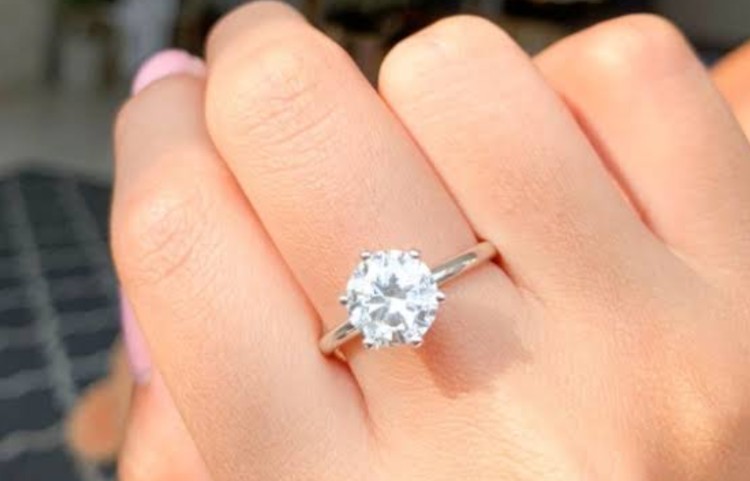
A diamond may be the star of a ring, but the setting is the stage that determines how that star is seen. It controls how the stone sits, how light reaches it, how secure it feels, and how the entire piece is interpreted by a buyer. For many owners, this is easy to overlook. The eye naturally goes to the sparkle of the diamond, while the structure around it feels secondary.
In resale, however, a ring setting can matter almost as much as the diamond itself. A strong setting can increase confidence in the piece, while a weak or outdated one can affect how buyers judge its future potential. Anyone planning to sell a diamond ring should understand that the ring is evaluated as a complete object, not just as a loose stone attached to metal.
The Setting Controls How the Diamond Is Presented
The same diamond can look very different depending on how it is set. A well-balanced setting can make the stone appear brighter, more refined, and better proportioned. The height of the mount, the spacing of the prongs, and the relationship between the diamond and the band all influence the final impression.
A setting that allows light to move through the diamond effectively can enhance its brilliance. A heavy or poorly designed setting may make the stone look smaller or less lively. Even when the diamond itself is valuable, presentation affects how that value is perceived.
This is why buyers pay close attention to the setting before making a valuation. They are not only looking at what the diamond is, but how well the ring allows the diamond to perform visually.
Craftsmanship Signals Security and Care
A ring setting also reveals the quality of craftsmanship behind the piece. Buyers look for details that suggest durability: secure prongs, smooth finishing, balanced proportions, and strong construction. These signs create confidence because they show that the ring has been made and maintained with care.
When prongs are worn, metal is thin, or the stone feels insecure, the buyer may factor in future repair or resetting costs. These issues do not erase the value of the diamond, but they can influence the overall offer.
This is where a careful diamond ring appraisal service can be helpful. It allows the seller to understand how the setting contributes to value, condition, and market readiness rather than focusing only on the center stone.
Style Affects How Easily the Ring Can Be Resold
A ring setting carries style, and style affects resale appeal. Some settings feel timeless, making them attractive to a broad range of buyers. Others reflect a very specific period or personal taste. Those rings may still be beautiful, but they may require a more selective buyer.
Classic solitaire settings, clean halos, and balanced three-stone designs often have wide appeal because they are easy to imagine being worn again. More decorative or unusual settings may depend on finding someone who appreciates that exact design language.
This is why the setting’s market relevance matters. Buyers consider not only whether the ring is attractive, but whether it fits current taste and can move confidently in the resale market.
The Setting Can Decide Whether the Ring Is Sold Whole or Reworked
Sometimes the best value of a diamond ring is found in keeping the piece intact. Other times, the diamond may be stronger than the setting, and the ring may be evaluated with the possibility of redesign or resetting in mind.
A high-quality setting can support the ring’s value as a complete piece. A damaged or outdated setting may shift attention back to the diamond itself. In those cases, the buyer may consider the stone separately from the surrounding design.
For sellers, this is important because it explains why two rings with similar diamonds may receive different offers. The setting affects whether the ring is ready for a new owner or whether additional work may be needed before it can be resold.
Conclusion
Ring settings matter because they shape the way a diamond is seen, protected, worn, and valued. A setting is not just decoration. It influences light performance, visual balance, structural security, and market appeal. In some cases, it can strengthen the resale value of the entire ring. In others, it can limit the ring’s appeal or create additional costs.
For anyone selling a diamond ring, understanding the setting is essential. The diamond may remain the most important element, but the setting determines how that diamond lives within the piece. A careful evaluation should consider both together.
When sellers recognize the role of the setting, the resale process becomes clearer. They can understand why buyers look beyond sparkle, why condition matters, and why craftsmanship can affect confidence. A diamond ring is more than a stone in metal. It is a complete piece of jewelry, and its true resale potential depends on how well all of its parts work together.