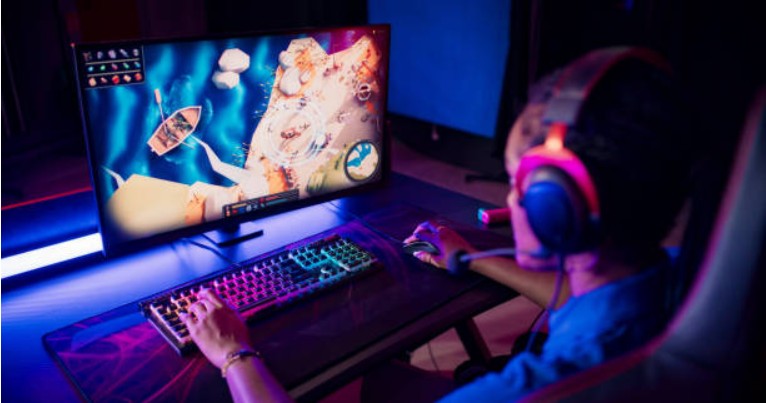
Have you noticed how online gaming feels more personal now than it used to?
That shift is not just about better graphics or faster connections. It is about people, habits, emotions, and the small social moments that happen while playing. As online gaming has expanded across more devices and more age groups, its human side has become easier to see.
Players are no longer only joining matches for competition. Many log in to talk, relax, learn, or stay connected with friends who live far away. That social layer gives online gaming a very human shape. It also explains why changes in digital play affect routines, friendships, and even the way people spend free time.
The growth of online gaming is often discussed in technical terms, but the real story is about behavior. Behind every login is a person with habits, moods, and expectations. That is why the social and emotional side of gaming deserves as much attention as the technical one.
How Online Play Became A Social Habit
Online gaming now works like a regular hangout spot for many players.
Friends Meet In Shared Spaces
Games once meant sitting alone with a device, but now many people use them to stay in touch. Voice chat, text chat, and team play make it easy to keep a conversation going while doing something interactive.
For some groups, a gaming session has replaced the old pattern of calling just to chat. It gives people a reason to connect, even on busy days.
That social function matters because digital play often fills gaps left by distance or tight schedules. A person can join for twenty minutes, catch up with friends, and leave feeling more connected than after a long stream of messages.
Small Wins Build Shared Memory
People remember a close finish, a funny mistake, or a smart team move. These small moments create shared stories. They may seem minor, but they help friends feel like part of the same group. In that way, online gaming acts less like a product and more like a social activity with its own rhythm.
Why Players Keep Coming Back
The human side of gaming also shows up in the reasons people return again and again.
Some players like the structure. A match has a clear start, a clear end, and enough challenge to hold attention. Others like the sense of progress that comes from learning patterns and improving over time. Many enjoy the calm that can come from focusing on something simple and repeatable after a long day.
There is also comfort in familiarity. Logging in can feel like stepping into a routine, especially when the same names, voices, and habits appear. For people who live alone or work unusual hours, that routine can matter more than the game itself. Platforms such as logintangandewa.com often sit inside that larger habit pattern, where access and regular use shape how people keep in touch with play.
Emotion Shapes Digital Play
People do not play flatly or mechanically. Mood affects choice. A person may want a calm session one night and a high-energy match the next. That flexibility is part of why online gaming fits so many lives. It can match energy, attention span, and social need at different times.
How Digital Expansion Affects Everyday Life
As gaming spreads, it starts to affect routines beyond the screen.
Online play can influence sleep, timing, and how people divide their free hours. Someone might plan dinner around a group session or set aside weekends for longer play.
It simply shows that digital gaming has become part of ordinary planning, much like streaming a show or attending a virtual meeting.
There are also quieter effects. People may learn patience, coordination, or quicker decision-making through repeated play. They may also become more aware of how online spaces feel, especially when communication is frequent and fast. In some circles, discussion around sbobet88 reflects how digital habits can shape interest, timing, and social conversation around online activities.
Community Still Matters Most
Even with new features and wider access, the core appeal often stays the same: people like being around other people. The tools may change, but the need for connection does not. That is why online gaming keeps growing without losing its personal side. It works because it gives people a place to play, talk, and feel part of something larger than themselves.
Final Thoughts
The next phase of online gaming will probably be less about replacing human connection and more about shaping it in new forms. As devices improve and access spreads, players will expect smoother interaction, faster communication, and spaces that feel easier to join. But the real measure of progress will still be human.