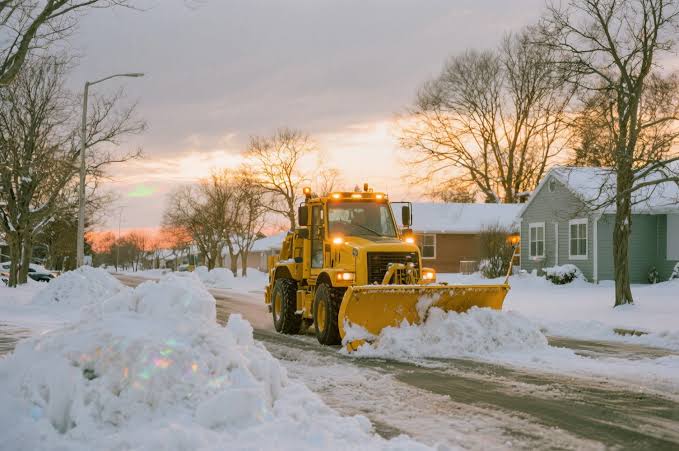
A Ten-Minute Miss Can Become a Four-Hour Problem
The cheapest equipment failure is the one found in the yard, not halfway through a 2 a.m. route. Preseason inspection is therefore more than maintenance. It is cost control.
A contractor should inspect every truck and attachment as if the first storm were arriving tonight. Snow Removal Expert operates in an environment where response speed, equipment reliability, ice-control readiness, and documented service all depend on machines working when dispatch begins. The same logic applies whether a contractor runs one pickup or several routes.
Create one inspection sheet per unit. Record the truck, plow, spreader, known defects, parts replaced, test date, and person who completed the check. Avoid relying on “it worked last winter.” Corrosion, storage, dried seals, loose grounds, damaged wiring, and unnoticed wear can surface months later.
Then run the equipment under load. A plow that lifts in the shop but hesitates after repeated cycles is already giving you useful information.
Plow, Hydraulics, and Cutting-Edge Inspection
A visual walk-around is only the first pass. The goal is to find wear that will become downtime once the blade starts hitting packed snow.
Contractors preparing to join the Snow Removal Expert contractor network should think in terms of route reliability: one disabled plow does not only create a repair bill; it can delay every property behind it.
Inspect the blade from the pavement up
Check the cutting edge across its full width. Uneven wear can signal poor blade contact, loose hardware, or alignment problems. Inspect trip springs, pivot points, mounting pins, welds, shoes if fitted, and fasteners. Look closely around high-stress areas.
Replace questionable cutting edges before the moldboard or base angle becomes the wear surface. That “one more storm” decision can turn a routine part replacement into a much more expensive repair.
Cycle the hydraulics, do not just look at them
Check hydraulic fluid condition and level using the manufacturer’s specifications. Inspect hoses for cracking, rubbing, bulges, wet fittings, and damage near bends or attachment points. Cycle the plow repeatedly through lift, lower, and angle functions.
Watch for slow movement, chatter, leaks, unusual pump noise, or cylinders that drift. Grease required pivot points and confirm the attachment locks correctly.
For a broader look at how reliable equipment fits into an organized winter operation, Snow Removal Expert combines field crews, modern equipment, 24/7 service, ice-control planning, and scheduled service into one operating model.
Make the Spreader Earn Its Keep
A spreader can waste money without technically being “broken.” A worn conveyor, weak motor, poor gate setting, corroded connection, or bad calibration can send more material onto pavement than the operator intended.
Empty the hopper and inspect the conveyor or auger, spinner, bearings, fasteners, wiring, motor, controller, and mounting system. Remove hardened material and corrosion. Run the spreader at several settings and confirm the feed and spinner respond smoothly.
Calibration deserves its own test. Federal Highway Administration guidance says spreaders should be calibrated before winter operations and recalibrated after maintenance because mechanical wear and hydraulic performance can change output over time.
That matters directly to margin. If a unit applies more salt than the route plan assumes, the contractor pays for excess material and may have to reload sooner.
Record calibration results and keep them with the unit. A setting on the controller is only useful if it still produces the amount the route plan expects.
Truck, Tires, Lighting, and Electrical Systems
The attachment gets attention because it touches the snow, but the truck carries the entire operation.
Test the battery and charging system. Clean and secure terminals and grounds. Inspect plow and spreader plugs for corrosion, damaged pins, loose strain relief, and exposed wiring. Verify headlights, brake lights, turn signals, work lights, strobes, backup lights, and alarms.
Check tire pressure cold and inspect tread, sidewalls, and uneven wear. Confirm brakes, steering, suspension, wipers, defroster, heater, and washer system are ready for long winter shifts.
Review engine oil, coolant, transmission fluid, brake fluid, and other service items according to the vehicle manufacturer’s schedule. Use the correct specifications rather than guessing at “winter” fluid types.
Finish with a road test while the equipment is mounted. Listen for movement, vibration, rubbing, or electrical interruptions that may never appear while the truck is parked.
The Cheap Spare Part Is the One Already in the Truck
A small component becomes expensive when its failure sidelines a truck during an active event.
Build spares around real failure points
Stock parts that can realistically be changed in the field or quickly at the yard: common hydraulic hoses and fittings, fluid, electrical connectors, fuses, relays, bulbs, hardware, pins, cutting-edge bolts, and model-specific wear items.
Check hand tools too. Route vehicles should carry a working shovel, scraper, flashlight, basic tools, gloves, and what is needed for minor roadside fixes.
Treat inventory as part of earning capacity
Spare parts should be counted, labeled, and matched to the equipment they support. Contractors considering whether to join the Snow Removal Expert contractor network should view readiness the same way they view route density or pricing: equipment availability determines how much work can actually be completed.
Organized routes, contractor verification, training, equipment readiness, and operational support all work better when the truck arrives prepared. Reliability affects both customer service and contractor earning potential.
Preseason Inspection and Route Readiness
The final step is not another wrench check. It is a simulated event.
Mount the plow. Test the spreader safely. Confirm controls, communications, lighting, charging equipment, phone mounts, fuel procedures, and emergency supplies. Make sure operators know where spare parts are and which problems require them to stop rather than improvise.
Create a defect deadline several weeks before the typical first event, not the night before snow is forecast. Separate repairs into three groups: must fix before deployment, scheduled wear replacement, and monitor during the season.
That gives the inspection a financial purpose. It helps contractors decide where money should be spent now to reduce the chance of more expensive downtime later.
The best winter fleet is not necessarily the newest one. It is the fleet whose weak points have already been found, whose spreaders apply what operators expect, whose lights work in bad visibility, and whose spare parts are in the truck before anyone needs them.
When the forecast changes at midnight, that preparation is what turns equipment ownership into dependable winter capacity.