Emergency situations can arise without warning, whether at home, in the workplace, or in public spaces. From minor injuries to life-threatening incidents, the first few minutes after an emergency occurs are often the most critical. A substantial impact on outcomes can be achieved by being prepared to respond promptly and efficiently. This is where first aid education plays a vital role. By equipping individuals with practical skills and confidence, first aid training strengthens community safety and ensures people are ready to act when it matters most.
Understanding Emergency Preparedness
Emergency preparedness is more than having a plan. It involves knowing how to respond to unexpected situations such as burns, fractures, choking, allergic reactions, or cardiac arrest. By receiving training in first aid, individuals are capable of administering immediate care while they await professional medical assistance. Quick intervention helps stabilise injuries, prevent complications, and in some cases, save lives.
Communities benefit greatly when more residents possess these skills. Training programs focus on real-life scenarios, helping participants recognise emergencies, assess risks, and respond calmly under pressure. This preparedness reduces panic and promotes clear thinking during stressful moments.
Building Confidence To Respond In Critical Moments
One of the most valuable outcomes of first aid education is increased confidence. Many people hesitate to help during emergencies because they fear making mistakes or causing further harm. Training removes this uncertainty by teaching proper techniques and response protocols.
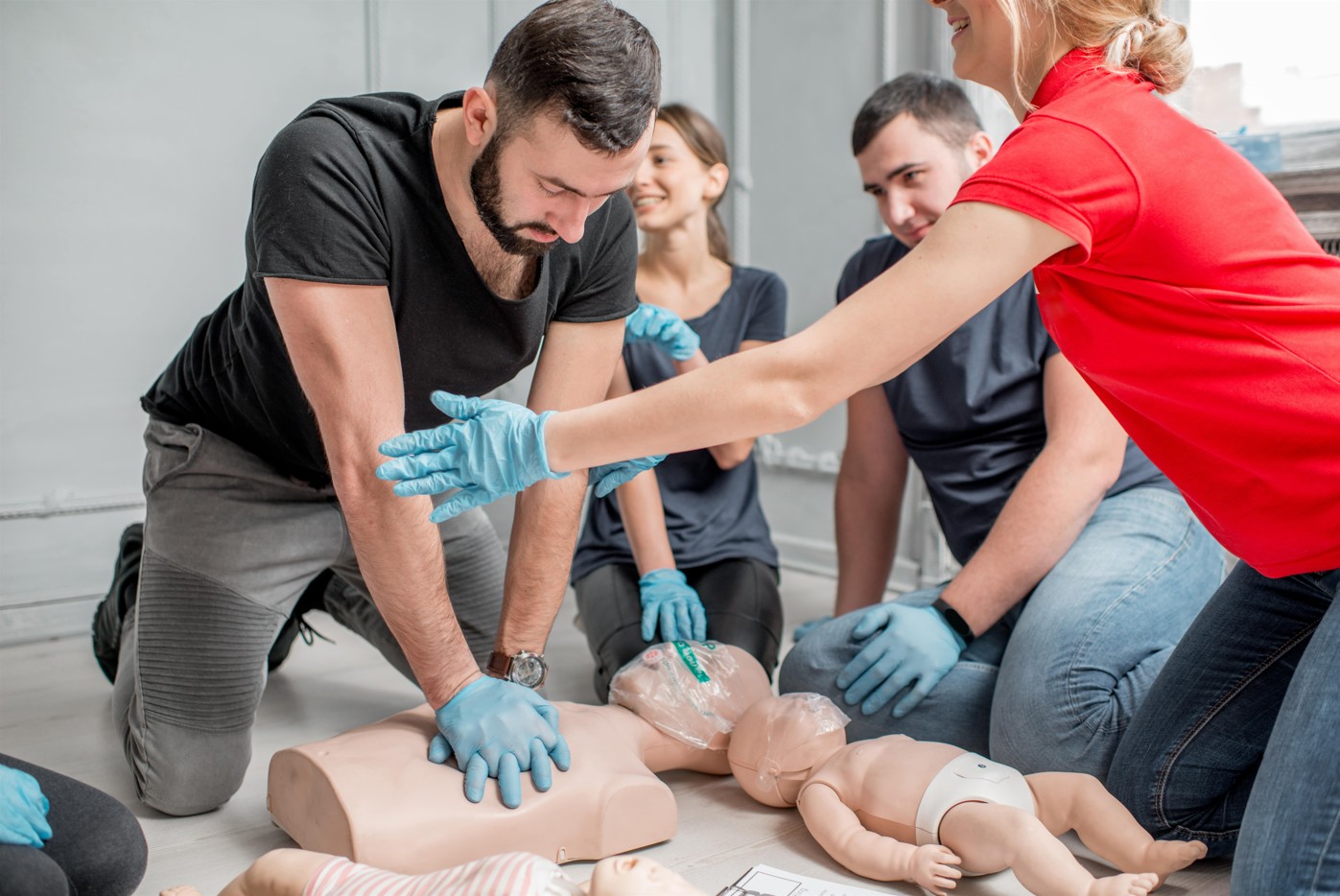
Participants acquire the ability to manage fractures, control bleeding, treat burns, and provide assistance to an individual who is having difficulty inhaling. With hands-on practice and expert guidance, individuals become comfortable applying these techniques in real situations. Completing first aid training Maitland programs allows residents to feel capable and ready to assist family members, coworkers, or strangers during unexpected incidents.
The Life Saving Impact Of CPR Skills
Cardiac emergencies require immediate action. When a person experiences cardiac arrest, every second without intervention reduces their chances of survival. Cardiopulmonary resuscitation, or CPR, is a procedure that ensures the circulation of blood and the supply of oxygen to critical organs until medical professionals arrive.
Training sessions often include CPR instruction and the use of automated external defibrillators. Learning these skills empowers individuals to take decisive action during life-threatening situations. Enrolling in CPR and first aid courses Maitland ensures participants understand how to recognise cardiac distress and perform effective resuscitation techniques.
Enhancing Workplace And Community Safety
Workplaces, schools, and community organisations benefit when staff members are trained in first aid. Accidents such as slips, equipment injuries, or sudden health emergencies can occur at any time. Having trained personnel on site reduces response time and promotes a safer environment.
Employers increasingly recognise the importance of safety preparedness and encourage staff to complete certified training. In community settings, trained volunteers and residents contribute to safer public spaces, sporting events, and social gatherings. When people are prepared, they can respond swiftly and prevent minor injuries from becoming serious incidents.
Practical Skills For Everyday Situations
First aid knowledge is not limited to major emergencies. Everyday incidents such as cuts, sprains, heat exhaustion, or allergic reactions require proper care to prevent complications. Training teaches individuals how to assess situations, provide appropriate treatment, and determine when professional medical care is necessary.
Residents who complete first aid courses Maitland gain valuable skills that support everyday safety. These practical abilities are useful for parents caring for children, caregivers assisting elderly family members, and individuals participating in sports or outdoor activities.
Strengthening Community Resilience
A community becomes stronger when its members are prepared to help one another. First aid training fosters a culture of responsibility and mutual support. When emergencies occur, trained individuals can provide immediate assistance while emergency services are on the way.
Prepared communities experience improved outcomes during crises because help is readily available. Whether responding to accidents, health emergencies, or natural events, first aid knowledge enhances resilience and promotes collective safety.
Conclusion
Emergency preparedness begins with knowledge and the willingness to act. Individuals are provided with the necessary skills, confidence, and awareness to respond effectively in critical situations through first aid training. From performing CPR to managing everyday injuries, these abilities protect lives and strengthen community wellbeing. By investing in first aid education, Maitland residents contribute to a safer environment where help is always close at hand when emergencies arise.