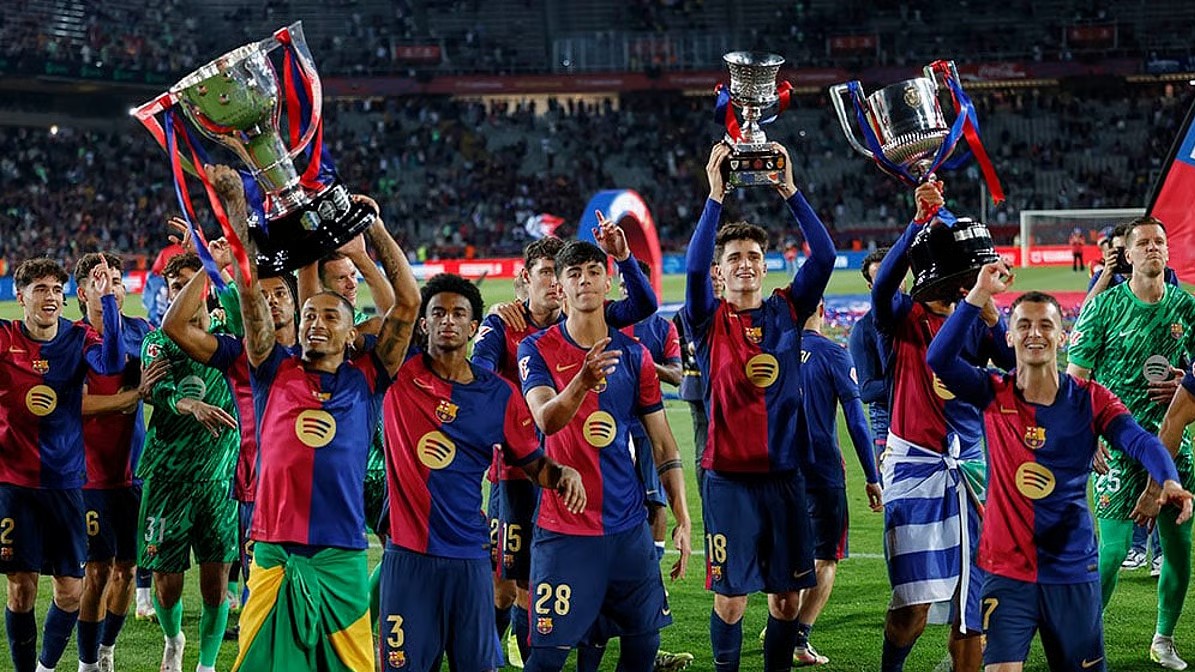
La Liga isn’t just a football league, it’s a cultural phenomenon that reflects the heart and soul of Spain. Fans around the world follow La Liga not just to see goals and tackles, but to witness a sporting tradition deeply woven into Spanish life. From historic rivalries to match-day rituals, La Liga brings together sport, community, passion, and local identity in a way few competitions can match. In this article, we’ll explore what makes La Liga a unique celebration of both culture and sport, and why millions of fans tune in to experience it live.
What Is La Liga? A Quick Overview
La Liga, officially known as LaLiga EA Sports, is the top professional football division of the Spanish football league system. Founded in 1929, it features 20 teams each season with clubs from cities big and small competing for the title. The league operates on a system of promotion and relegation with the Segunda División, and includes some of the most historic clubs in world football like Real Madrid, FC Barcelona, and Atlético Madrid.
La Liga matches are broadcast by jgtv24.com across the globe and watched by millions, making it one of the most popular domestic football leagues on the planet. Whether you’re watching a classic El Clásico clash or cheering for an underdog club, the drama, skill, and emotion of La Liga competition is unmistakable.
La Liga and Spanish Culture: A Deep Connection
Football as a Part of Spanish Identity
Football in Spain goes far beyond a sport; it’s part of the national rhythm of life. For many Spaniards, football is deeply tied to identity, tradition, and social life. A recent study indicates that family legacy plays a major role in Spanish football fandom, with many fans inheriting their passion directly from parents or grandparents. In fact, over half of Spaniards say their love for football came from family tradition.
This legacy creates bonds that stretch across generations watching La Liga isn’t just cheering for a team, but participating in a shared cultural experience that family and community members have passed down through time.
Match Day Rituals: More Than Just a Game
On La Liga matchdays, the atmosphere begins hours before kick-off. Streets around stadiums fill with the sounds of fans singing club anthems, waving flags, and sharing food and drinks. Local bars become social hubs where friends and strangers alike gather to discuss formations, players, and betting odds before the first whistle.
These rituals extend beyond the stadium:
- Pre-match gatherings where fans share food, drinks, and passionate discussions.
- Chants and songs unique to each club every team has its own set of anthems sung with fierce pride.
- Stadium displays and tifos, creating visual spectacles that add drama and color to the experience.
This blend of sport and tradition makes La Liga matchdays feel like festivals of local culture.
Iconic Rivalries and Regional Identity
La Liga is home to some of the most historic and intense rivalries in football, none more famous than El Clásico between Real Madrid and FC Barcelona. But beyond that headline fixture, many matches carry deep regional meaning:
- Madrid Derby — Real vs Atlético captures a city’s contrasting identities of tradition versus grit.
- Seville Derby — Sevilla FC vs Real Betis reflects neighborhood pride in Andalusia.
- Basque Derby — Athletic Club vs Real Sociedad is infused with local heritage and sporting respect.
These rivalries go beyond the pitch, shaping local culture and giving fans moments of shared passion and fierce loyalty.
La Liga’s Contribution to Spanish Society
Economic and Social Impact
La Liga isn’t just a social force, it’s an economic powerhouse. The league generates substantial revenue through ticket sales, broadcasting rights, and tourism. Iconic stadiums like Camp Nou and the Santiago Bernabéu attract visitors from around the world, boosting local hospitality industries and creating jobs on matchdays.
Turn a weekend into matchday, and the cities hosting La Liga games buzz with activity restaurants, bars, and street vendors all benefit from the influx of fans.
Global Reach and Influence
Although rooted in Spain, La Liga has a powerful global presence. The league’s broadcasting rights reach hundreds of countries, and its players are known on every continent. Superstars from past generations like Lionel Messi, Andrés Iniesta, and Sergio Ramos have helped put Spanish football on the world stage, influencing how the sport is taught and enjoyed worldwide.
International communities also celebrate La Liga. Fan clubs, watch parties, and social media interactions allow fans from Tokyo to Buenos Aires to connect over their shared love of Spanish football.
Connecting Football and Fitness in New Ways
While La Liga represents elite professional football, there are also movements aimed at making football culture accessible for everyone. One interesting trend is the growth of walking football, a modified version of the sport designed to be played at a walking pace ideal for older adults or those seeking low-impact fitness. Clubs, sessions, and resources for this sport can be found at places like https://walking-football.com, a directory dedicated to connecting players, teams, and walking football events worldwide.
Walking football reflects how the culture of the beautiful game extends beyond professional leagues emphasizing health, inclusivity, and community participation.
Watch La Liga Live: A Digital Era of Football Fans
Today, fans don’t just attend matches they stream, tweet, and engage with La Liga content online. Platforms and portals often provide updates, live score information, and access links for fans looking to follow La Liga matches in real time, further enhancing the global reach of the league. These digital resources help lovers of Spanish football stay connected, whether watching live broadcasts or tracking scores and stats.
Conclusion: More Than a League, a Living Culture
La Liga is a celebration of Spanish culture, tradition, and unity. It unites communities, honors regional identities, and inspires passion in millions of fans worldwide. From buzzing match-day streets to iconic rivalries, from economic impact to global broadcasts, La Liga embodies the very heart of Spanish sporting life.
Whether you’re in Spain packed inside a stadium or halfway across the world watching through a stream, experiencing La Liga is about more than football; it’s about joining a cultural tradition that continues to evolve, resonate, and bring people together.
So next time you hear the roar of the crowd or see fans singing an anthem, remember you’re experiencing more than a game; you’re witnessing a cultural celebration that spans nations and generations.