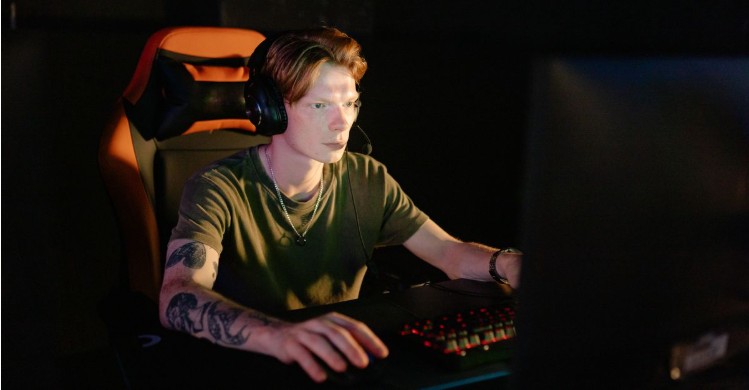
Have you ever asked why online gaming feels less like a hobby and more like a busy social scene that never sleeps?
What started as simple multiplayer play grew into one of the internet’s most active cultures because it gives people a place to compete, cooperate, chat, learn, and build routines together. For many players, logging in is not just about finishing a match. It is about joining a shared space where jokes, rivalries, habits, and friendships keep returning day after day.
That cultural energy did not happen by accident. It formed through faster internet connections, better communication tools, and the human habit of turning shared activities into communities. Online gaming became a daily meeting point, and over time it developed its own language, customs, and social rules.
Why Online Gaming Became Social So Fast
At its core, online play gave people a reason to interact repeatedly.
Unlike older offline games, internet-connected play let people return to the same groups over long periods. Teams practiced together, friends planned sessions after school or work, and strangers became familiar names. Repetition mattered. The more often people played together, the more likely they were to build trust, inside jokes, and a sense of belonging.
Communication tools also changed everything. Voice chat, text chat, live reactions, and shared goals made games feel like active hangouts instead of isolated entertainment. A player could be focused on strategy one minute and joking around the next. That mix of competition and conversation helped online gaming grow into a culture instead of staying a simple pastime.
How Shared Rules And Rituals Built Community
Every active culture creates habits, and gaming was no different.
Players developed routines around match times, team roles, seasonal events, and community slang. Some groups valued discipline and timing. Others focused on humor and casual play. These patterns helped people recognize what kind of space they were entering and how they were expected to act.
You can see this in small details, from the way players greet each other to the way they talk about ranks, strategies, or login habits. Even practical phrases tied to access and routine, such as AZTEC888 LOGIN, make sense inside gaming culture because they reflect how often players organize their time around getting into a platform, meeting others, and starting play quickly.
Over time, these rituals gave online gaming a stable identity. People were not just showing up for a random session. They were taking part in a recurring social event with familiar expectations.
Why Competition Helped The Culture Grow
Competition gave players a reason to care deeply and come back often.
Skill Created Long-Term Interest
Games with ranking systems, team tactics, or difficult objectives encouraged improvement. Players studied mechanics, watched others, practiced timing, and talked strategy. That constant learning added depth to the culture. It gave players topics to debate and goals to chase beyond casual entertainment.
Spectating Added A Public Layer
Watching others play helped turn gaming into a shared internet activity. People could follow matches, react in chat, discuss tactics, and form opinions about styles of play. Spectating made gaming more visible, and visibility helped culture spread. A match was no longer limited to the people holding controllers or using keyboards. It became something a wider audience could enjoy and talk about.
This public side also encouraged storytelling. Big plays, funny mistakes, comeback wins, and long-running rivalries gave communities moments to remember and repeat.
How Identity And Creativity Shaped The Space
Online gaming gave people ways to express themselves beyond winning.
Players Built Digital Identities
Usernames, avatars, play styles, and preferred roles all became part of personal identity. A person could be known as a careful strategist, a fearless attacker, or the friend who kept the group calm. That identity-building made gaming culture sticky because people were not anonymous for long. They became recognizable characters within their circles.
Fans Added Their Own Culture
Communities created jokes, art, clips, discussion posts, and shared vocabulary around the games they loved. These contributions gave gaming culture a life outside the match itself. People stayed involved even when they were not actively playing because conversation and creativity continued elsewhere on the internet.
Even routine access terms like PGBET888 LOGIN can become part of that everyday language, showing how digital habits blend with community talk when people spend time together online.
Why Online Gaming Still Feels So Active
The culture stays busy because it combines entertainment with ongoing social connection.
Many internet activities are passive. Online gaming usually asks people to participate, react, coordinate, and communicate in real time. That active involvement creates stronger memories and tighter social bonds. It also means communities can stay lively for years, even as specific games rise and fade.
Another reason is flexibility. People can play competitively, casually, socially, or creatively, often in the same space. One person may care about strategy, another about friendship, and another about funny moments. Online gaming can hold all of that at once, which helps explain its staying power.
What makes the culture stand out is not only the technology behind it. It is the way people use that technology to build routine, identity, and connection. Online gaming became one of the internet’s most active cultures because it gives people a place to do something together, keep coming back, and turn repeated play into shared meaning.