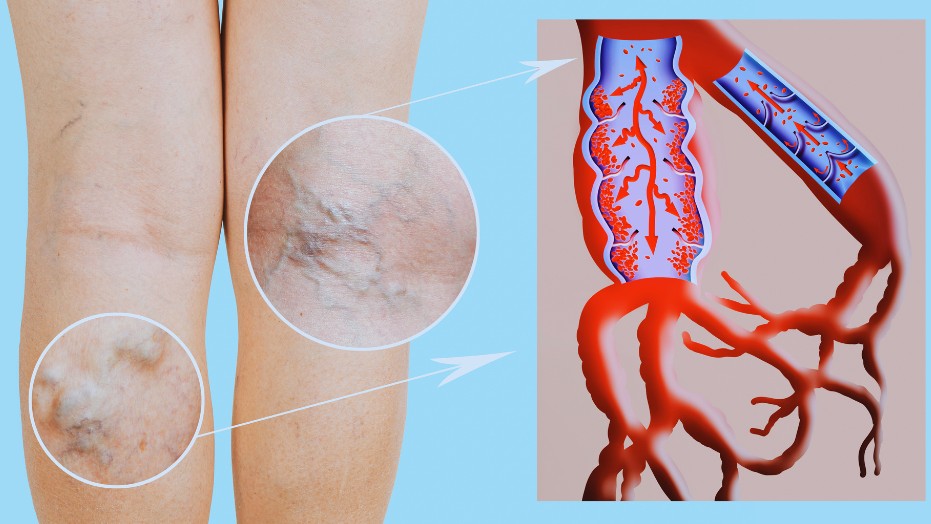
Spider veins are a common concern that many people face, affecting both appearance and self-esteem. Many of us may wonder what leads to their formation and how we can manage or treat them effectively. For those seeking professional care, consulting a vein doctor in Edison can provide personalized guidance, accurate diagnosis, and access to the most effective treatment options.
In this text, we’ll explore the causes of spider veins and the treatment options available to help us reclaim our confidence and vascular health.
Understanding Spider Veins
What Are Spider Veins?
Spider veins are small, thin blood vessels that appear near the surface of the skin, often resembling a web or tree branches. They can vary in color, typically presenting as red, blue, or purple. While they are generally harmless, many of us find them unsightly and may wish to explore options to minimize their appearance.
How Common Are Spider Veins?
Spider veins are quite prevalent, affecting both men and women, though they tend to be more common in women. As we age, the likelihood of developing spider veins increases, with certain lifestyle factors and medical conditions further contributing to their development. Understanding their prevalence helps us realize that we are not alone in facing this issue.
Common Causes of Spider Veins
Genetic Factors
One of the primary contributors to the formation of spider veins is our genetic predisposition. If we have a family history of spider veins or varicose veins, we are at a higher risk of developing them ourselves. Genetic factors can affect the strength and elasticity of our blood vessel walls, making them more susceptible to swelling and visibility.
Hormonal Changes
Hormonal fluctuations can also play a significant role in the development of spider veins. Women, especially during pregnancy, menstruation, or menopause, may experience increased levels of hormones like estrogen, which can affect the veins’ structure. This is why many women report seeing spider veins after pregnancy or changes in their menstrual cycle.
Lifestyle Choices
Certain lifestyle choices can exacerbate the likelihood of developing spider veins. Prolonged sitting or standing, lack of exercise, and being overweight can all contribute to increased pressure in our veins. Also, exposure to sun damage can weaken the skin and blood vessels, making spider veins more apparent.
Medical Conditions
Several medical conditions, such as chronic venous insufficiency and obesity, can increase our risk of spider veins. Also, conditions that affect blood circulation or clotting can lead to more prominent veins. If we have underlying health issues, it’s essential to consult with a healthcare provider to understand how they may contribute to the formation of spider veins.
Available Treatments for Spider Veins
Lifestyle Modifications
Before exploring medical treatments, we can often start with simple lifestyle modifications. Adopting a regular exercise routine, maintaining a healthy weight, and avoiding prolonged periods of inactivity can significantly improve circulation and potentially minimize spider veins. Also, wearing compression stockings may help alleviate pressure on our veins and enhance blood flow.
Sclerotherapy
Sclerotherapy is a popular and effective treatment for spider veins. During this procedure, a solution is injected directly into the offending veins, causing them to collapse and fade away over time. This minimally invasive treatment typically requires no anesthesia and allows us to return to our daily activities almost immediately, making it a convenient option with minimal downtime.
Laser Therapy
Laser therapy is another advanced treatment option. In this procedure, focused light energy targets the spider veins, causing them to coagulate and eventually be reabsorbed by the body. This technique is particularly useful for smaller veins and can yield excellent results with little to no discomfort.
Radiofrequency Ablation
Radiofrequency ablation is a newer method that utilizes heat generated from radiofrequency waves to close off problematic veins. This procedure is effective and can be performed in an outpatient setting. Patients often find it minimally invasive and report high satisfaction rates.
Conclusion
Summarizing, spider veins are a common condition influenced by various factors including genetics, hormones, lifestyle, and medical conditions. While they can be a source of concern for many of us, understanding the causes can empower us to make informed choices about treatment options available. From lifestyle adjustments to advanced procedures like sclerotherapy and laser therapy, there are multiple ways to manage or even eliminate spider veins. If we’re considering treatment options, consulting with a healthcare professional can help us find the best approach to restore our confidence and skin health.